
The Fragile History of Palestinian Embroidery
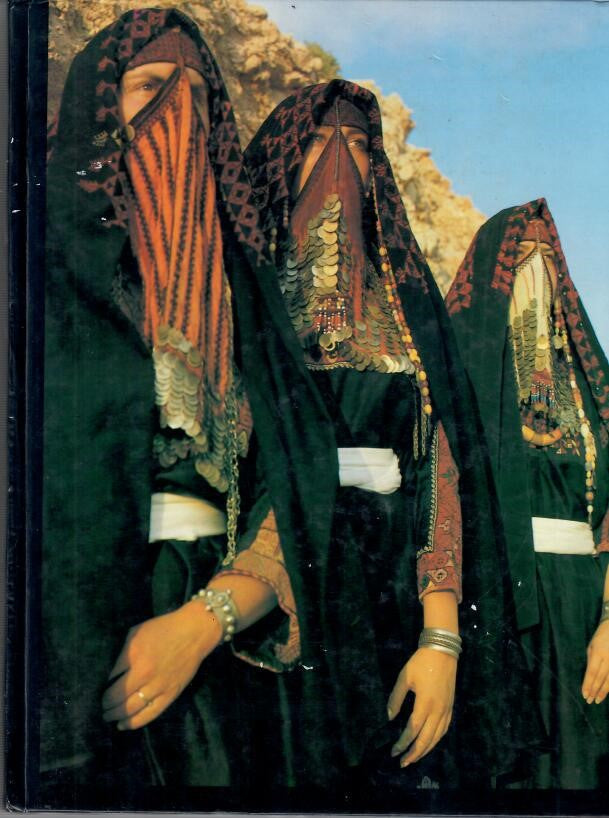
Some histories are written in books. Others rely on oral traditions. Others are told by the skill of gifted embroiderers who narrate their stories stitch by stitch in motifs and patterns that bear witness to their culture.
Palestinian embroidery, known as tatreez, represents a rich heritage written in such motifs and patterns. Much more than a traditional handicraft, tatreez is a record of place, identity, memory, belonging, and lived experience, told through the skills of women who have stitched their history for generations.
A Craft Rooted in Place and Memory
Inspired by the world around them - nature, rituals, weddings, births and deaths - countless generations of Palestinian women stitched their stories onto their garments and household items. Devising ever more creative motifs and patterns inspired by flowers, trees, birds, household items and geometric forms, they created an innovative visual language that varied from town to town and village to village across historic Palestine.
Embroidery as a Visual Language
With time, the intricacies of tatreez developed into a unique form of communication whereby one woman could tell the history of another just by looking at her garments - her social status, where she came from, her whole personal history told without words.
This was a language that women safeguarded and shared from one generation to the next, even as traditions changed and new situations emerged. And when war and displacement shattered their existence, tatreez came to represent a vital link between rootedness and displacement, past and present.
Stitching became an act of remembrance, resistance, defiance and defense. Women were not only crafting beautiful pieces; they were also carrying their knowledge forward for their daughters and granddaughters.
Displacement and the Risk of Losing a Tradition
Traditionally girls learned tatreez by sitting beside mothers and grandmothers, watching the way they moved their hands, handled the fabric, wielded their needles and plotted their designs before they picked up the needle themselves. When families were dispersed, this natural chain of teaching became harder to maintain. But the craft survived because women continued to practice it, and adapt it without abandoning its roots.
The Women Who Kept Stitching
This is where Inaash's story begins. Founded in 1969, Inaash began supporting Palestinian women refugees in Lebanon by providing training, materials, and opportunities to earn through their skills.
For Inaash, preserving the handicraft went hand in hand with supporting the embroiderers by providing them with an income through their work. Through Inaash generations of women continue to produce intricate embroidery that connects them to homes and villages many have never seen. Nevertheless, they know, love and respect the meaning and significance of each motif and pattern they produce.
This is how Palestinian embroidery has endured through the commitment and steadfastness of the women who continue to make it, teach it, and give it meaning. With each stitch knowledge is renewed rather than simply reflected.
This is why, at Inaash, every piece matters. It represents both what has survived and what is still being carried forward.
Questions About Palestinian Embroidery
Why is Palestinian embroidery historically important?
It preserves cultural identity through motifs, stitches, colours, and patterns connected to Palestinian communities and places. It also records knowledge passed between generations of women.
How was tatreez traditionally learned?
Women usually learned by watching mothers and grandmothers. With practice skills gradually developed.
Why is preserving Palestinian embroidery important?
Preservation protects a valuable handicraft and keeps cultural knowledge active.
Keeping the Needle Moving
History continues to be made wherever a woman threads her needle, begins another stitch and follows the shape of a familiar motif.
