
Not Made to Be Thrown Away: Why Inaash Embroidery Belongs to Sustainable Living
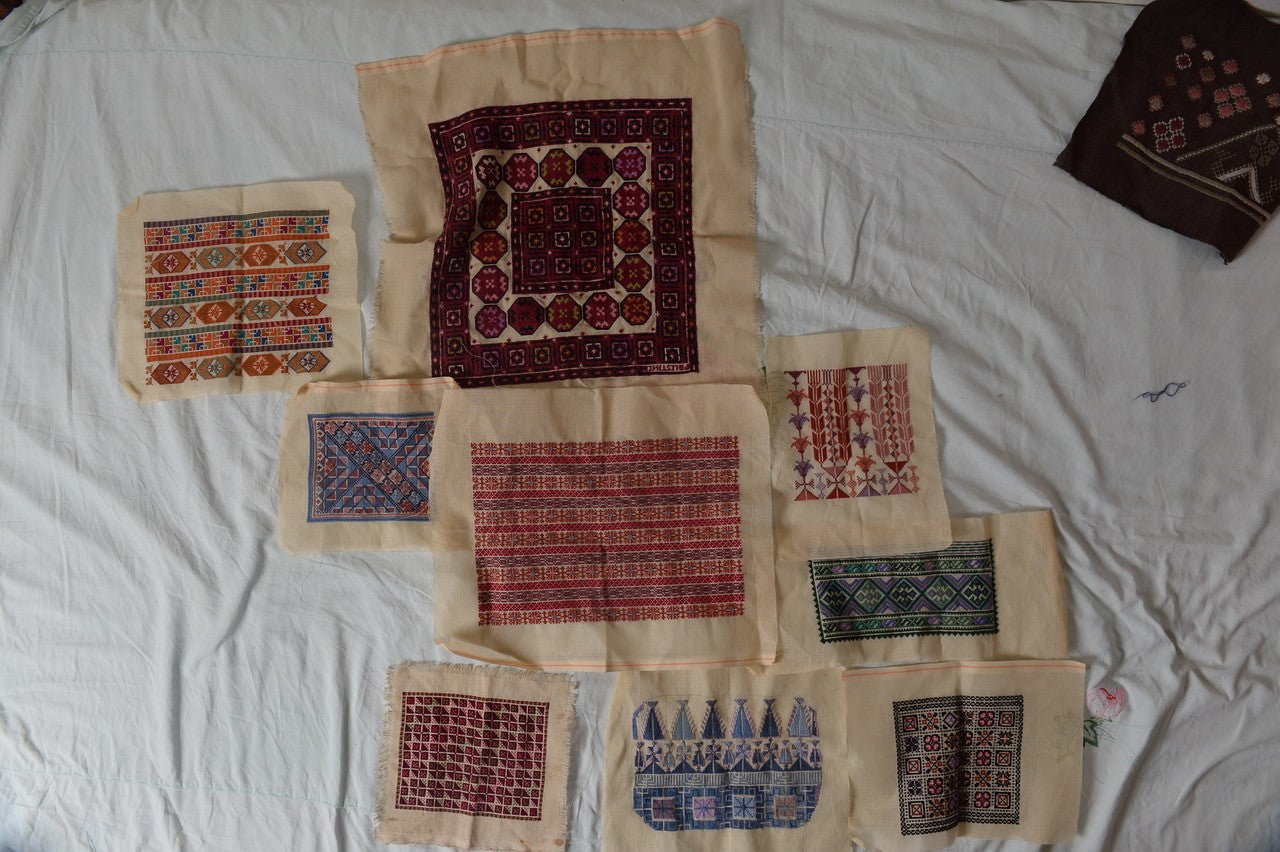
Some pieces are bought for a season.
Others may last for years.
Pieces like these are worn, carefully folded, stored, repaired, gifted, and cherished. Over time, they become more than objects. They become part of life.
The more precious they are, the more sustainable their lifespan. This is where hand embroidered items like those from Inaash naturally fit into the sustainable category.
At Inaash, there is no such thing as fast fashion. From beginning to end each piece is conceived and designed to be sustainable. The production process is measured and well thought out. Motifs are chosen with care. Colours are discussed. Placement is considered. The quality of the embroidery is checked and monitored, the final product inspected and approved.
The result is not something made to be discarded quickly. It is made to stay.
Sustainability Is Also About Attachment
Sustainability is often discussed in terms of materials, waste, and production methods. These matter. But there is another part of the conversation that is just as important: how long we choose to keep something.
A piece we feel connected to is less likely to be treated carelessly.
Hand embroidery falls into this category because by definition it is highly visible, even tangible. You can perceive the intricacy of the stitches and the time they take. You can trace its raised surface. It soon becomes clear that someone sat with this fabric in her hands, needle threaded ready to count her stitches, trace her motifs and bring the design to life stitch by stitch.
A hand-embroidered cushion, shawl, bag, jacket, or wall piece represents skill, memory, tradition and presence. It demands care because its value is obvious.
Slow Craft Against Disposable Design
Hand embroidery confronts the logic of fast consumption.
At Inaash before embroidery even begins, there is a whole process involved in designing each object. A garment must be well tailored to move with the body. A bag must be practical and strong. A cushion must sit beautifully in an interior. A large textile artwork must arrest the eye and establish its presence.
Then comes the embroidery.
The motif, colours, placement, and proportions are all plotted out and reviewed so that the embroidery feels integrated, not simply an add on. Once approved, the work is sent to Inaash’s camp supervisors to be assigned to the women embroiderers, who complete it by hand.
The result is a fine piece of slow fashion: not only in how long it takes to make an item, but how thoughtfully it is made.
The Beauty of the Human Hand
No two Inaash embroidered items are ever exactly identical.
Even when the same motif, fabric, and colours are used, each embroiderer leaves her own imprint on the work with the rhythm of her stitches. Like brushstrokes in a painting, her stitches carry small differences: a firmer pull, a softer tension, a certain pace, a personal touch.
These differences are not imperfections. They are signs of her skill.
This individuality gives each piece character. It makes the object feel personal rather than anonymous — one reason handmade pieces are often treasured.
Sustainability Is Human, Too
For Inaash, sustainability is not only physical and environmental, it is also social and cultural.
The hand embroidery is a valuable source of income for our artisans. At the same time, it gives added value to this inherited skill. It guarantees that Palestinian tatreez will remain relevant not only through memory or archives but more importantly, through practice.
This was the vision in 1969 by Inaash’s founder, Huguette Caland, daughter of first Lebanese President Bechara El Khoury, together with likeminded Palestinian and Lebanese women. The mission was never simply to preserve beautiful embroidery, but to provide dignified work and a source of income for Palestinian refugee women in Lebanon through the practice of their traditional craft.
A sustainable piece is not only made with care but also with respect for the people who made it.
Embroidery in Everyday Life
Inaash sustains Palestinian embroidery in many forms: classical garments, contemporary seasonal collections, bags, accessories, cushions, home and table ware and large textile artworks.
This range elevates embroidery from its traditional setting, while translating it in new forms.
A motif can be applied to a contemporary jacket. A decorative border can be adapted for a clutch. A strong geometric pattern can make a deep impact on a cushion or a wall hanging. Thus, tatreez enters our wardrobes, homes, interiors, and environment.
Caring for What We Keep
Hand embroidered items deserve thoughtful care.
Handled gently, stored properly, protected from excessive sunlight and moisture, and cleaned according to the needs of its fabric and thread. All this to protect the embroidery, but also to reflect the notion that such meaningful pieces cannot be treated as disposable.
Rather than buying more and caring less, sustainability suggests fewer pieces with more inherent value. Pieces that survive the passage of time. Pieces that provide a valuable income for those who sew them. Pieces that retain their beauty because they were made to be cherished.
Made to Stay
Inaash embroidery remains sustainable by its very nature.
Its very presence invites us to examine it closely and appreciate its intricacy.
It teaches us that this intricacy takes time and skill. That it is both a source of pride and income for the women who produce it. And it shows us that sustaining the heritage can be achieved within the context of contemporary design.
An Inaash piece is not made only for the present.
It is made to be kept, respected and treasured.
